
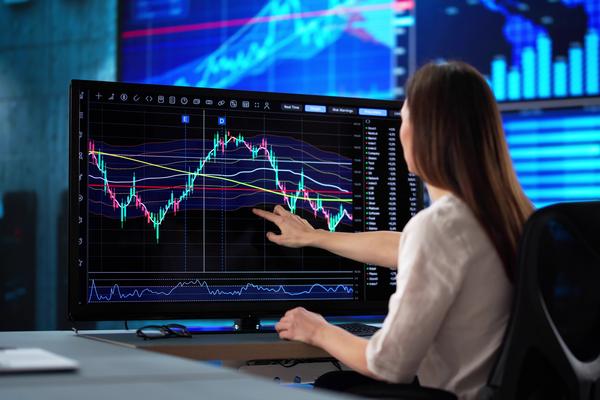
From Stock Charts to Forecasting: How AI Software Sharpens Market Predictions
The evolution of artificial intelligence in finance has propelled the development of advanced stock forecasting software that goes far beyond traditional chart pattern recognition. By 2025, AI is no longer just a tool—it has become a critical engine for market prediction, offering unmatched speed, accuracy, and depth. What once depended on manually interpreting candlestick patterns or moving averages has now been replaced by intelligent systems that process vast, real-time datasets. Today’s stock forecasting software, powered by machine learning, analyzes thousands of variables simultaneously—including price action, volume trends, earnings reports, macroeconomic signals, and even news sentiment from social media and global headlines. The result is a smarter, more responsive way to anticipate market movements—giving traders and investors a powerful edge in a data-driven world.
Modern AI tools don’t just analyse what has happened—they forecast what is likely to happen next. Neural networks, deep learning algorithms, and predictive analytics are being trained to detect complex relationships in market data that human analysts would overlook or be too slow to act on. This means investors are no longer just reacting to charts—they’re gaining early insights into emerging trends, risk scenarios, and high-probability setups before they fully materialise.
As a result, AI is shifting how both retail and institutional investors build strategies. By combining quantitative precision with contextual awareness, AI-powered platforms now enable traders to move from reactive decisions to proactive, forecast-driven execution—paving the way for more informed, agile, and adaptive investing in the years ahead.
The Limitation of Traditional Stock Chart Analysis
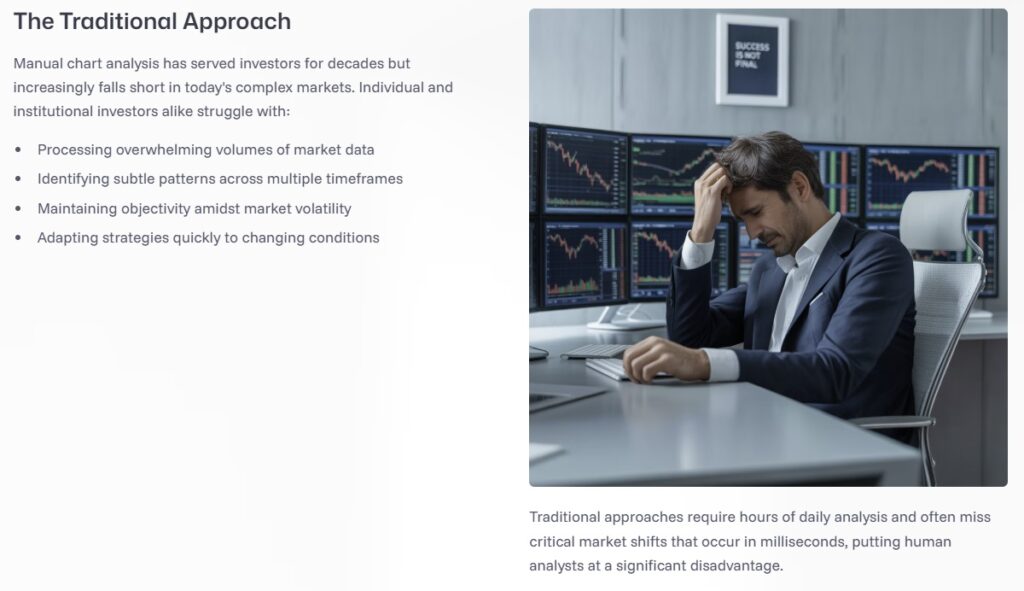
For decades, manual chart analysis has been the go-to method for traders and investors seeking to interpret market movements. While it has its merits, this approach is increasingly outmatched by today’s fast-paced and data-saturated financial landscape. Both individual and institutional investors now face significant challenges. The sheer volume of market data—including price action, earnings, economic reports, and global news—can be overwhelming to process effectively by hand. Moreover, subtle patterns and correlations across multiple timeframes often go unnoticed or are misinterpreted without the aid of advanced tools. Emotional bias is another major obstacle; during volatile conditions, even seasoned investors can struggle to maintain objectivity and make rational decisions. Lastly, traditional methods often lack the agility needed to adapt strategies quickly in response to sudden shifts in market sentiment or macroeconomic trends. In a market environment where milliseconds matter and complexity is the norm, traditional stock analysis alone is no longer enough to stay competitive.
The Rise of AI in Financial Market Analysis
Artificial intelligence has moved from the fringes of tech innovation to the centre of global finance. Banks, hedge funds, and individual traders are increasingly turning to AI-driven tools to extract meaningful patterns from massive datasets. Traditional stock analysis often depends on linear assumptions or limited variables. In contrast, AI stock forecasting software can process vast amounts of data — from real-time market prices to economic indicators and even social sentiment — simultaneously and continuously.
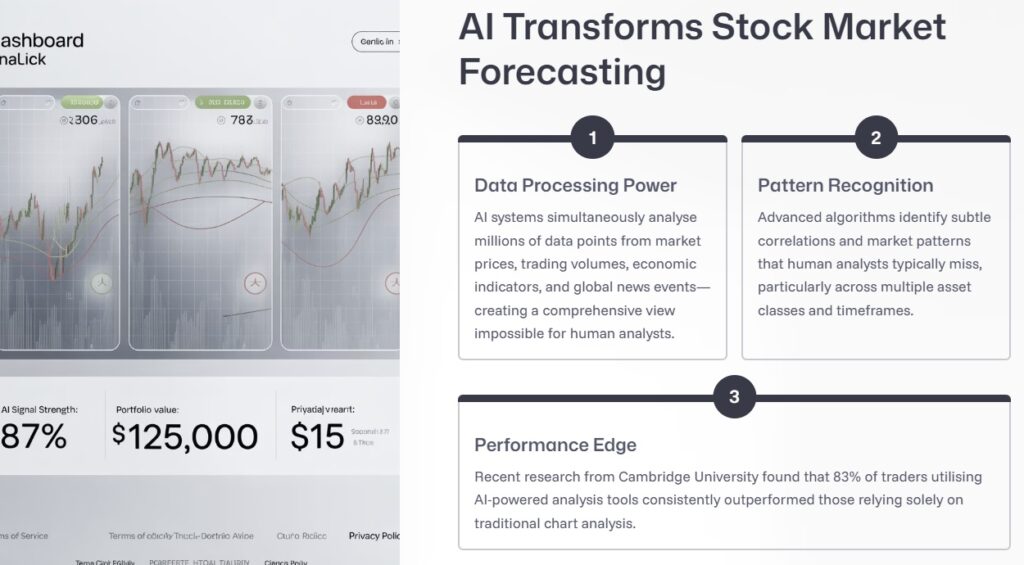
This evolution is not just about faster computing. It’s about smarter predictions. By identifying non-linear relationships and subtle signals, AI can offer insights that were previously unreachable using standard analytical methods.
What Makes AI-Powered Stock Forecasting Software So Effective?
- Data Processing at an Unmatched Scale : One of the most powerful advantages of AI-driven software is its ability to handle data on a scale that’s virtually impossible for human analysts. Stock markets generate terabytes of new data daily — price fluctuations, order book changes, earnings reports, economic news, and more. AI models can quickly digest this information, identify relationships, and update predictions in real-time.
- Machine Learning and Continuous Improvement : Traditional forecasting tools typically use static algorithms. In contrast, modern AI systems employ machine learning models that improve over time. As the models are exposed to more data, they adapt and refine their predictions. This learning process not only increases accuracy but also enables the system to detect new patterns as market conditions change.
- Incorporating Alternative Data Sources : AI stock forecasting software extends far beyond numerical inputs. It can analyse unstructured data such as news headlines, analyst commentary, and social media trends. By processing linguistic cues and sentiment, AI tools gain a broader context for market predictions. This capability gives traders an edge, particularly in volatile or event-driven markets where traditional indicators might lag.
The Shift from Technical Charts to Predictive Intelligence
For years, technical analysis ruled the trading floor. Charts filled with moving averages, Bollinger Bands, and RSI indicators helped traders make informed decisions. However, these tools often focus on past performance, not future potential. AI flips the script. Rather than react to what has happened, stock forecasting software now enables traders and investors to model what is likely to happen next.
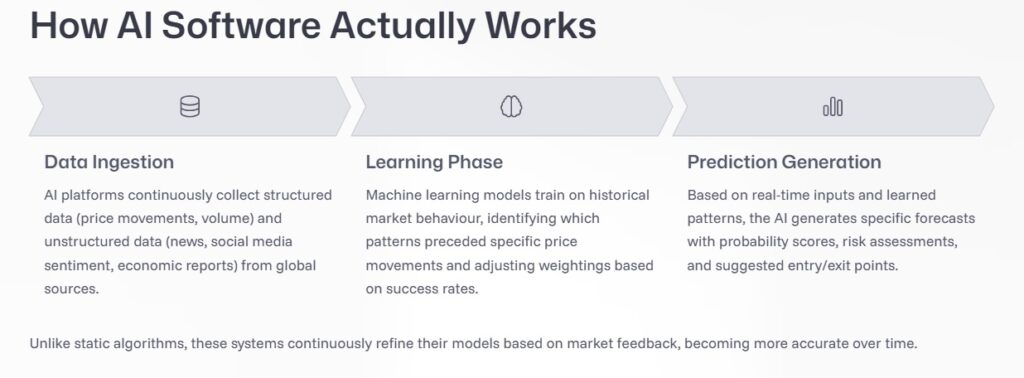
This transition marks a shift from retrospective to predictive intelligence. A well-configured AI model considers dozens or even hundreds of variables in real-time, offering forecasts that can outpace purely human judgement — especially in complex or fast-moving markets.
Human + AI: A Powerful Combination
While AI stock forecasting software is a powerful tool, it’s not a crystal ball. No model, regardless of its complexity, can guarantee 100% accuracy. That’s why the most successful traders use AI not as a replacement for human insight, but as an enhancement. Combining the cognitive capabilities of seasoned investors with the pattern recognition of artificial intelligence creates a holistic approach to market analysis.
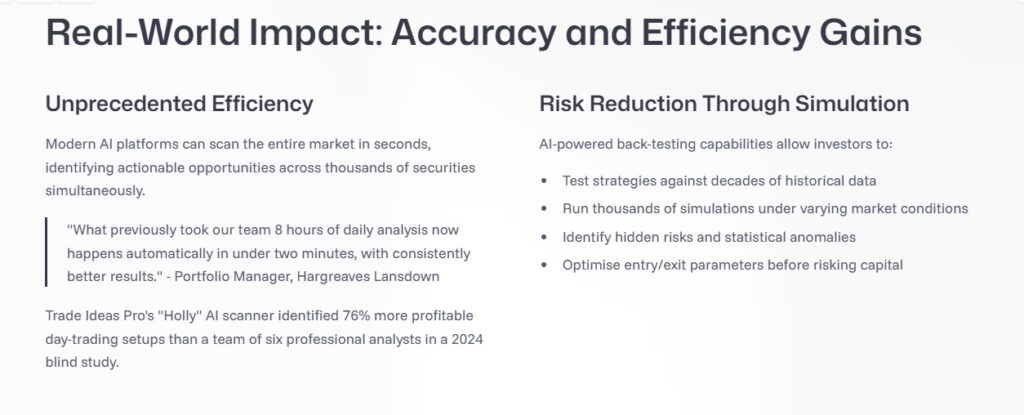
Traders can use AI-generated forecasts as a foundational input, then apply their own risk preferences, market knowledge, and strategies. This synergy helps mitigate risk and improve consistency across a wide range of market conditions.
Democratizing Advanced Market Analysis
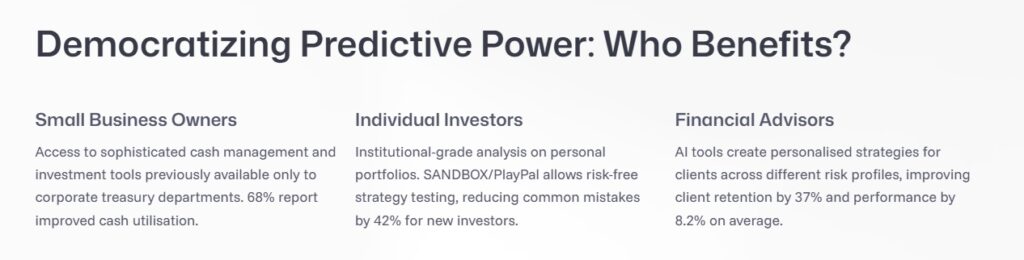
In the past, access to sophisticated stock forecasting tools was restricted to well-funded hedge funds and financial institutions. But as machine learning frameworks become more accessible and cloud-based computing reduces costs, a new generation of consumer-level AI tools is emerging. Retail investors and independent traders now have access to the same computational firepower as institutional players.
This democratisation of forecasting technology is levelling the playing field. It’s empowering everyday market participants to analyse, forecast, and trade with confidence using insights previously reserved for elites in the financial world.
Preparing for the AI-Powered Future of Trading
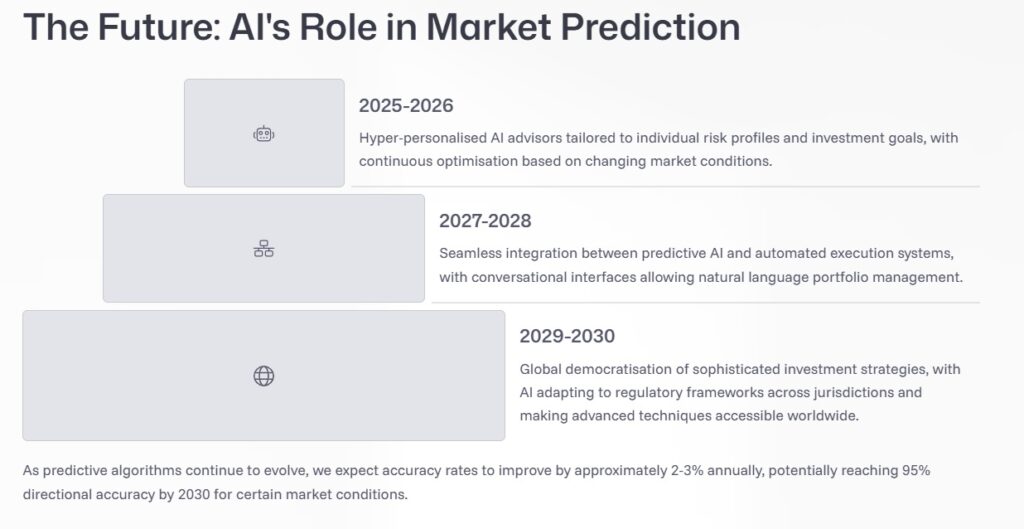
Markets never stand still, and neither does technology. As artificial intelligence continues to evolve, so too will the capabilities of stock forecasting software. Expect future models to become more transparent, giving users better understanding of how predictions are made. We may also see increased personalisation, with AI fine-tuned to individual strategies and preferences.
For investors and traders, the key is staying informed and adaptable. Understanding the strengths and limitations of AI tools is essential to using them effectively. Those who embrace this technology — while maintaining sound judgement — will be well-positioned to navigate tomorrow’s markets.
Conclusion: Embracing a Data-Driven Edge
Stock forecasting software powered by artificial intelligence is not just another trend. It represents a fundamental shift in how market participants interpret data, assess risk, and make decisions. By augmenting human intuition with algorithmic precision, these tools provide a critical edge in today’s crowded and competitive markets.
Whether you’re managing a portfolio, trading actively, or simply aiming to better understand market dynamics, AI-powered stock forecasting offers a smarter path forward. From charts to forecasts, the future of trading is here — and it’s learning fast.